We provide independent advice and assistance to support community members through the transition. We ensure the correct processes have been followed in relation to community consultation, engagement and dispute resolution. Our dispute resolution service ensures landholders and community members are treated fairly and impartially.
In our role we can’t stop or delay transmission or renewable energy projects, but we can provide independent advice and assistance. When we can’t help, our ‘no wrong door’ approach means we connect people with the organisation that can.
Types of complaints
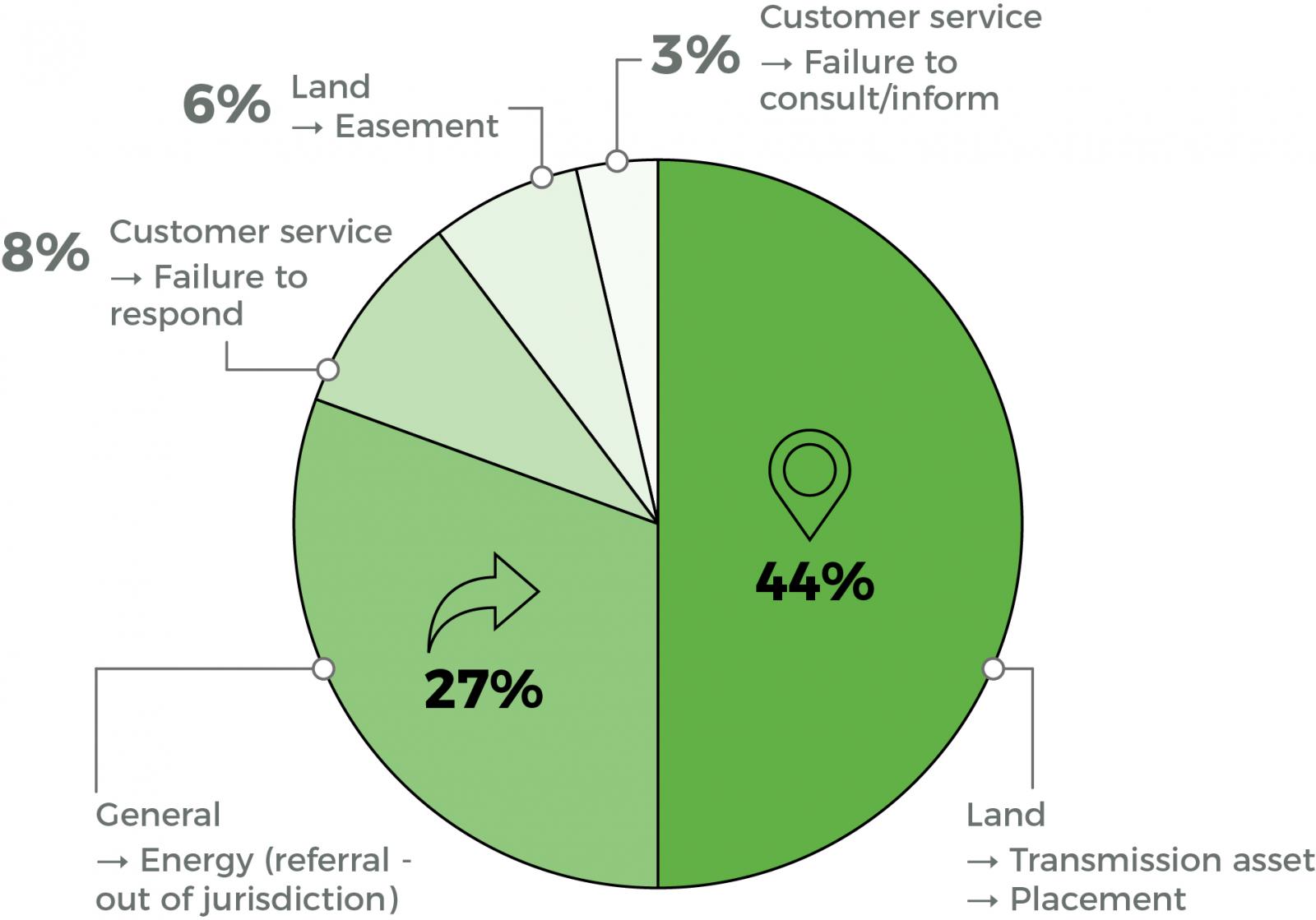
Most of the complaints we have received have been about REZ development and transmission, which aligns with the stage of development in NSW.
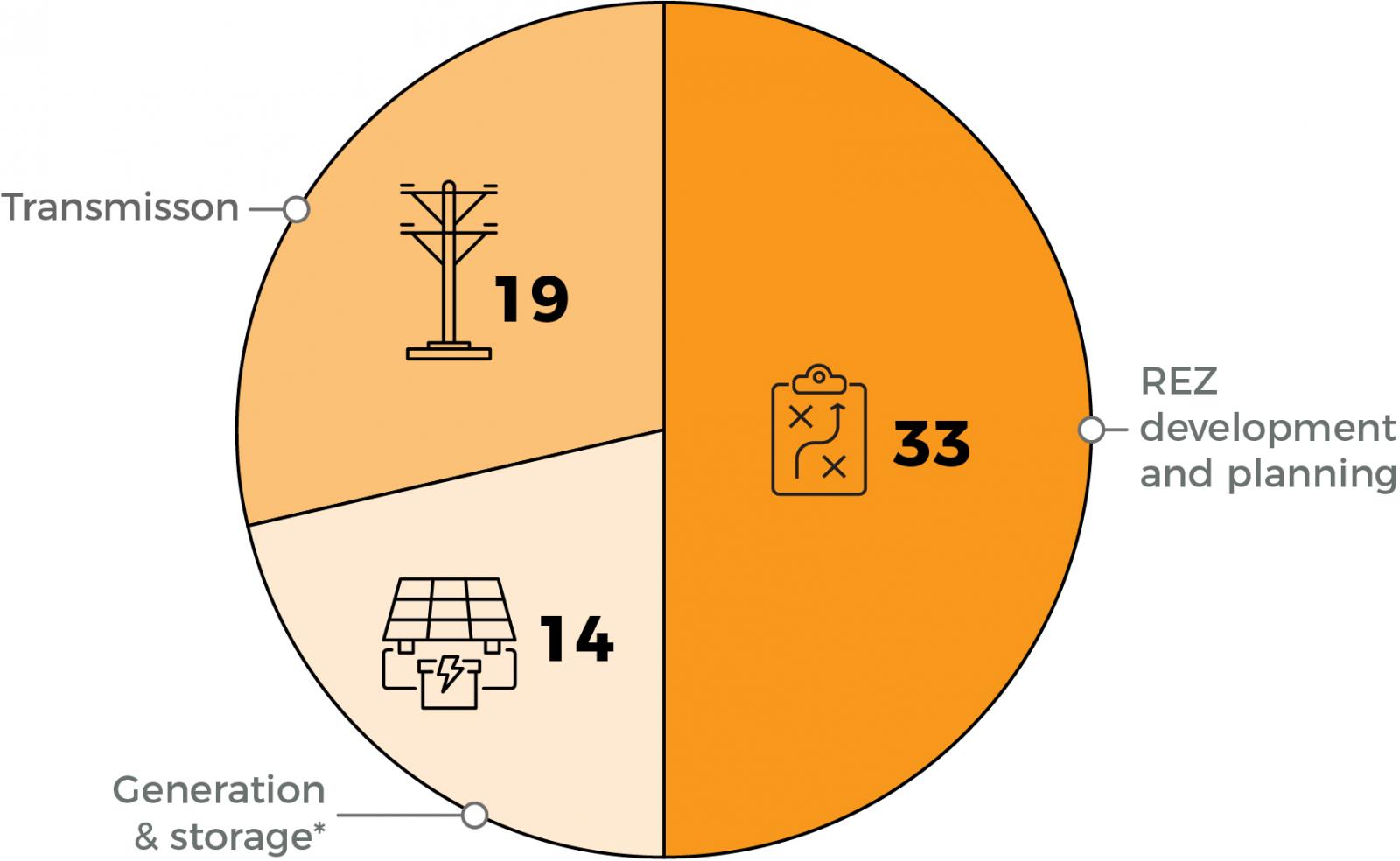
*These complaints are out of jurisdiction, we generally refer them to the Australian Energy Infrastructure Commissioner
Complaint level
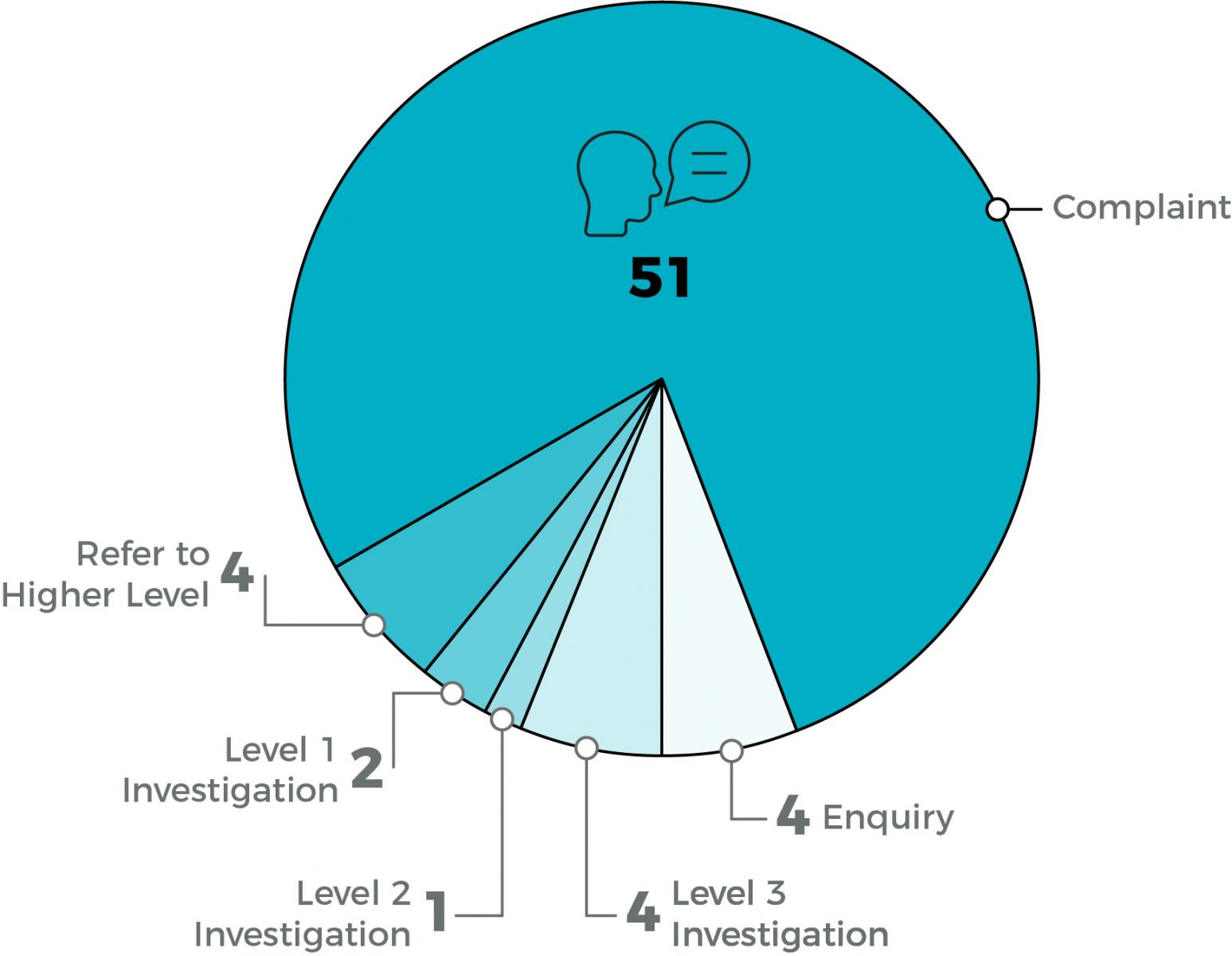
We have resolved the majority of complaints by providing independent advice and assistance. These complaints didn’t warrant investigation and the landholder or community member was satisfied with our assistance.
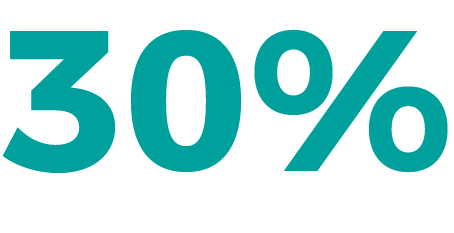 of community members heard about us through EWON outreach events.
Complaints by NSW Regions
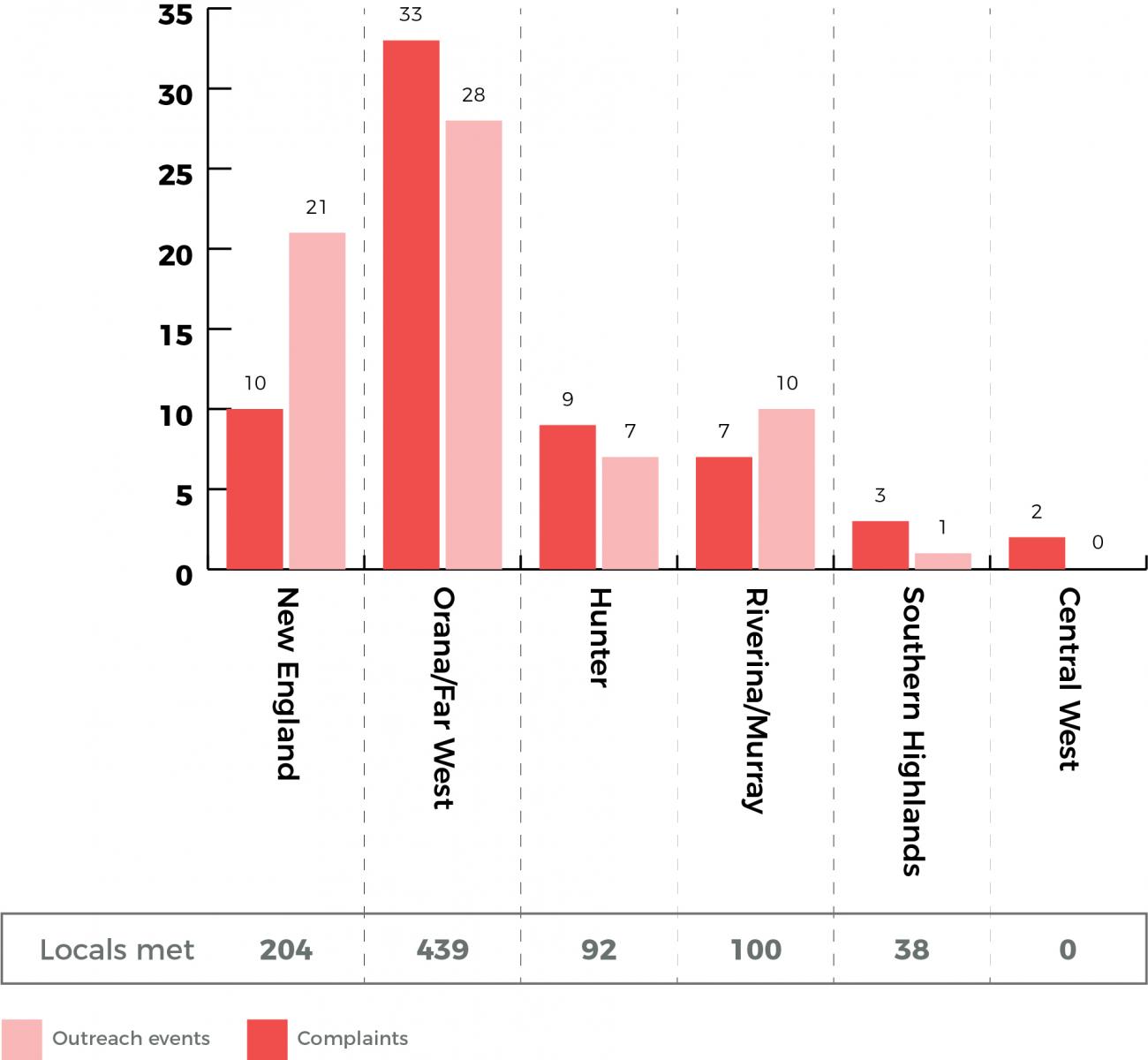
Most people only find out about us when they see us at a local agricultural show or market, or visit one of our drop-in sessions. This is clear from the graph below which shows complaint numbers closely mirror the number of activities in different regions.
Top 5 core issues
The core issues reflect the stage of development in NSW, with transmission placement and easements being the top issues.
Fast complaints resolution
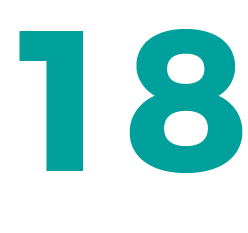 average days to resolve a complaint, 50% resolved within 7 days.
"It's great to see you here, hopefully you can make it to more events here soon"
- Community member
Talking to locals at community events and combining their on the ground experiences with our complaints data gives us a clear picture of the common concerns in regional communities impacted by REI development.
Consultation issues
Many locals raise concerns about failures in consultation, delayed responses, locals unaware of engagement sessions and needing to repeat conversations due to high staff turnover in REI entities. Many shared they felt their local knowledge is ignored, favouring desktop research, and their time is undervalued.
Water issues
Locals concerned about impact of infrastructure on bores and acquifers, water scarcity, and disposal of waste water associated with infrastructure projects.
Traffic impacts
Reports of heavy vehicles not obeying 40km school zone limit, increased traffic impacting small businesses that travel during the day/night.
Bushfire risk
Concern that local RFS are unequipped to deal with major fires on industrial levels and will need support. Concerns about chemicals released from burning turbines, batteries, solar panels etc.
Biosecurity concerns
Concern about the spread of invasive weeds and pests. Additional work for landholders in managing biosecurity plans and property access with project personnel accessing land regularly.
Healthcare
Community members are worried about the additional strain an influx of workers will place strain of already busy hospitals and healthcare centres.
Lack of collaboration
Community members, stakeholders and councils have called for greater collaboration amongst the developers operating in regional areas. This would streamline the consultation process and save significant time and effort.
Cumulative impacts
High volume of projects proposed for some regions amplifies all these issues, with minimal communication to the community about how this will be managed.
"Keep up the good work, and thank you for bringing it to us"
- Community member at outreach event






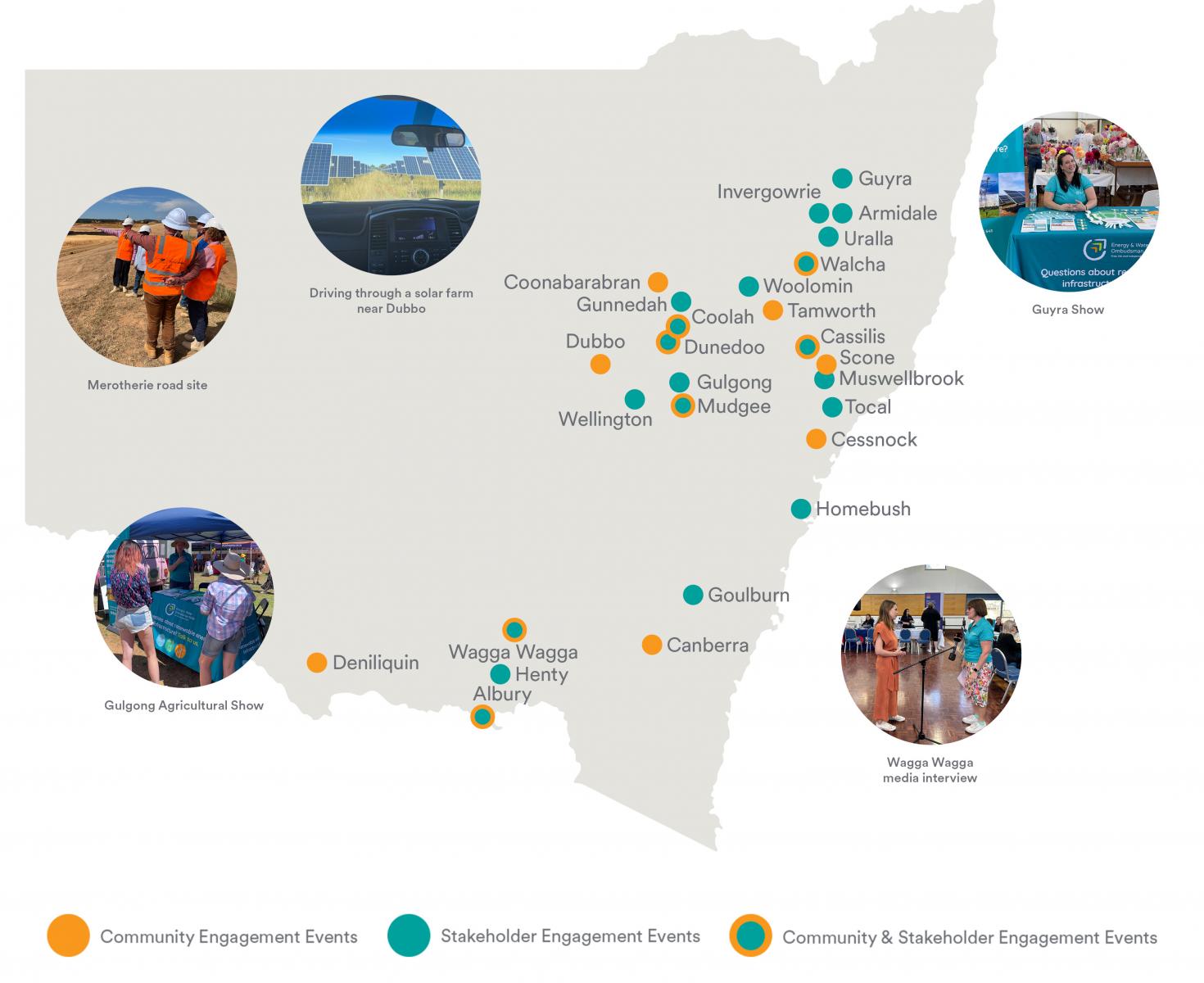
 Travelled 18,579 kms
 Attended 31 community events
 Visited 26 regional towns
 Nine EWON Drop-in Sessions hosted
 Reached 12,130 customers across EWON social media
 Our work in action: Landholder unhappy with workers camp location