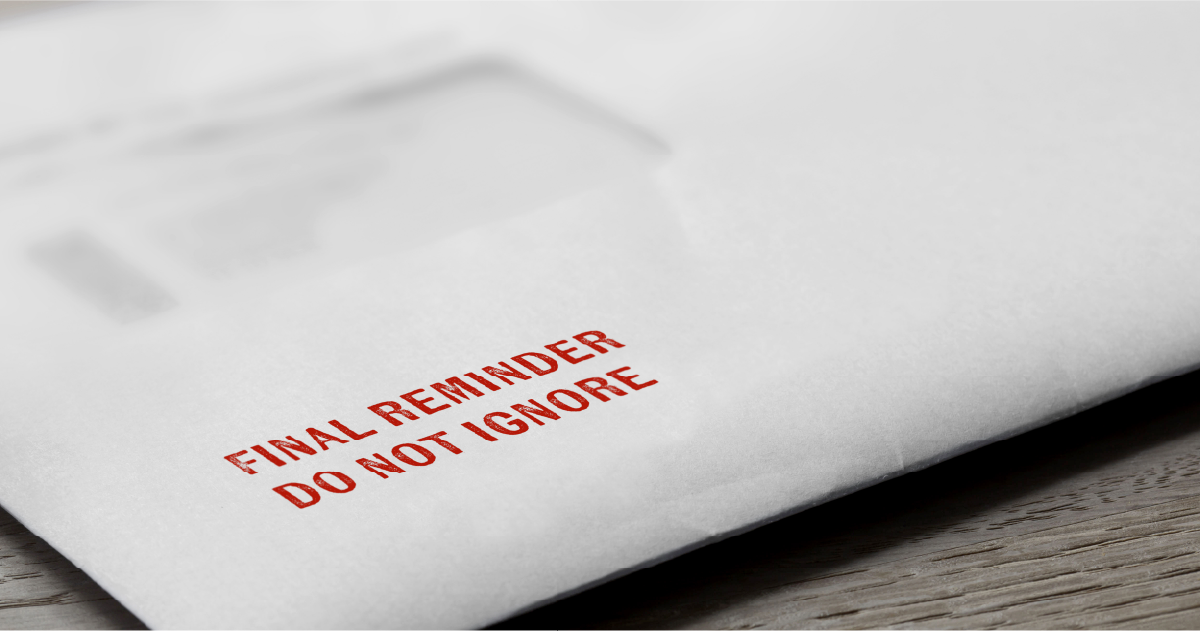
During the COVID-19 pandemic, the Australian Energy Regulator (AER) issued a Statement of Expectations for retailers effectively banning debt collection. Since then, most retailers have resumed collection activity to manage outstanding debt.
As cost-of-living pressures increase, more households are experiencing energy debt, reflected in rising EWON complaints about debt collection each year. Debt collection complaints increased by 45% from financial year 2022 (the end of the AER’s Statement of Expectation) to financial year 2025.
When an energy debt remains unpaid, retailers may recover the debt themselves or refer it to a collection agency, while usually retaining ownership for a set period. In either case, the retailer is responsible for confirming that the customer is liable for the debt; the onus should not fall on the customer to prove they do not owe it. Additionally, retailers are responsible for the conduct of debt collectors acting on their behalf.
The Australian Competition and Consumer Commission (ACCC) and Australian Securities and Investment Commission’s (ASIC) Debt Collection Guideline for Collectors and Creditors sets out the consumer protections that retailers and debt collectors must adhere to. Key protections include:
- access to independent external dispute resolution schemes, such as EWON
- clear processes and responsibilities for resolving complaints and disputes
- limits on timing and frequency of contact
- requirements for accurate, consistent and appropriate communications
- guidance on managing disputes about liability for a debt.
EWON has received complaints about retailers pursuing customers for disputed debts, such as when:
- the bill does not belong to the customer or relates to a previous resident
- the bill has already been paid or the customer has a payment plan
- the debt is related to billing errors or billing the incorrect meter.
Customers also experience poor communication and inadequate investigation of their energy accounts before the debt is referred to a collection agency. As a result, liability issues remain unsettled and preventable disputes arise, which are often resolved only after further EWON investigation.
When debts are managed by collection agencies, customers have described consumer protection concerns to EWON, including:
- harassing or excessive contact, including failure to honour agreed contact arrangements
- limited awareness of customer vulnerabilities, such as family violence, homelessness, or medical conditions
- pressure placed on customers to pay disputed debts causing stress.
Complaints to EWON
Customers have told us that debt collection activity without properly investigating claims about whether the debt is owed can feel unfair and overwhelming. It can increase stress and affordability issues, particularly for customers who are already vulnerable. Some customers have also been left
feeling as though their concerns were not taken seriously. Retailers and debt collectors must comply with the consumer protections in the energy legislation and the Debt Collection Guideline. Retailers should prioritise direct resolution with customers and use external debt collection as a last resort.
Customers often contact EWON after their debt has been referred to a collection agency, a default has been listed on their credit file, or they have been unable to sign up with a new retailer because of that listing. In these cases, EWON may work with the retailer to buy back debt and/or establish an affordable payment plan, enabling the customer to return to the retailer or transfer to a provider better suited to their circumstances.
Case studies
Case study one
 Disputed energy debt referred to debt collector without adequate investigation
Jessie contacted EWON after disputing an energy debt from her business, of $1,900 and providing evidence that the charges related to a neighbouring premises. While the dispute remained unresolved, the retailer sold the debt to a third-party debt collector. She reported persistent contact from the debt collector and later became aware of a default listing on her credit file, which adversely affected her loan applications.
Under financial pressure, Jessie paid $950 despite maintaining she was not liable. The retailer then said the customer’s account was in a $330 credit, indicating the debt was based on an incorrect balance. This complaint has been escalated within the retailer and remains unverified.
Case study two
Water debt referred to debt collector without adequate investigation
Cece complained to EWON after receiving a debt collection notice for an $800 water debt relating to her shop premises in a strata building. She was instructed to pay this within 10 working days to prevent further action.
Cece was the property owner and had not received any prior water bills. She believed billing arrangements used to be managed by tenants. When the previous tenant left the account unpaid, the water provider referred the debt to a collection agency without contacting Cece, despite holding her contact details. She disputed the debt and raised concerns that the retailer did not adequately investigate liability before they referred the debt. The complaint has been escalated within the retailer and remains unverified.
Case study three
EWON assisted customer to recall energy debt from a collection agency
Lawrie contacted EWON about an outstanding electricity debt of $1,300, on an account that had been closed for three months He was unemployed at the time the account was closed and still had no income. He had asked for assistance from the retailer but felt this was not provided, and that the debt was instead referred to an external debt collection agency.
Lawrie described the collection activity as harassing and said it did not take account of his circumstances or need for support. EWON commenced an investigation and requested that the retailer place the disputed amount on hold, suspend all collection activity, and cease contact with the customer while the matter was reviewed. Following EWON’s involvement, the retailer agreed to recall the debt from the collection agency and waive the outstanding balance as a customer service gesture, due to the customer’s vulnerable circumstances.