Our complaints data shows that the affordability framework should better protect households from the harms of disconnection, because disconnection:
-
destabilises households, family life and wellbeing
-
undermines health and safety
-
causes psychological distress and social isolation
-
entrenches financial difficulties and vulnerabilities.
The harms we see in our complaints are also evidenced in other research, in Australia14, overseas15 and in international collaborations.16
Many of the complaints to EWON show that these harms are intensified for those most at risk of vulnerability, including:
An effective affordability framework should better protect customers experiencing financial, personal and household challenges from having their circumstances worsened by disconnection.
Names have been changed to protect anonymity
1. Disconnection destabilises households, family life and wellbeing
Loss of safety, housing stability and family cohesion are some of the first consequences of disconnection.

Sarah couldn’t get into her house after being disconnected as the entry was via the electric garage door. As she was effectively locked out of her home, Sarah and her daughter were living out of her car at the front of the property.
Deborah is a single parent with two teenagers and a three-year-old and her only income is the single parent payment from Centrelink. She has a significant debt with her energy retailer, and it would not reconnect the electricity unless she made a large upfront payment. Deborah’s two teenage sons had to move in with different family members because of the disconnection and were separated from Deborah and her younger child.
Kit felt forced to go to a hotel when her power was disconnected so that her child could shower and be ready for school. As well as the burden of the extra accommodation costs, she had to take the day off work and throw out ruined food from the fridge.
2. Disconnection undermines health and safety
Living requirements
Disconnection can undermine health and safety by removing access to living requirements like lights, heating, cooling, hot water and cooking facilities – essentials for health and wellbeing.

Gina is a single mother with six young children and had her gas supply disconnected for non-payment. She ended up without gas for four days, including over a weekend, as the retailer made an error when arranging reconnection. The youngest was a toddler, and her primary school age child was undergoing treatment for a serious illness. As the oven and cooktop were gas, she was unable to cook, so they had sandwiches for meals. The hot water was also gas, so they were unable to properly bathe. She described herself to EWON as “pretty isolated” – she had no extended family she could visit so the kids could have showers or baths.
Camilia had a child receiving cancer treatment in hospital. She arrived home after grocery shopping to find her electricity had been disconnected. There was no lighting or refrigeration. Camilia and her four children had just returned from a trip to the hospital in Sydney. She told EWON she had $2 in her bank account.
Michael is asthmatic and his electricity was disconnected for non-payment in the height of summer. He told EWON that being without air-conditioning would adversely impact his asthma condition.
Kim, a First Nations woman, had been away from home when she was disconnected for non-payment. Kim lived in a regional town and was concerned about the health of her children being without heating in the middle of winter. She was also worried about losing the food and groceries she had just purchased. She told EWON she had been dealing with payment difficulties for a few months due to Sorry Business – she had been travelling to support family members after multiple deaths in her family.
Medications and medical devices
Refrigeration is crucial for certain medications. Customers can also rely on medical devices but if those devices aren’t classified as ‘life-support’ equipment, protections from disconnection do not apply.
Xia returned home from hospital to find the power had been disconnected. Xia was managing severe physical and mental illness and had medication that required refrigeration.
Chloe is a university student and is hearing impaired. Her income is reliant on a disability pension. Chloe had disputed several high bills she had received from her energy retailer but when the power was disconnected to her home due to non-payment, she could not recharge her cochlear implant. This meant Chloe had to move out of her house until she could be reconnected.
Sandra has a non-verbal child who requires a communicator and other electronic devices that couldn't be used after she was disconnected. Sandra told EWON she had ongoing financial difficulties, had only $10 in her bank account and would not receive any more income for another fortnight.
Increasingly relied-upon technologies
Households increasingly rely on technologies that may not have traditionally been seen as ‘essential’ – but are fundamental to household access, functionality and safety. This includes technologies like mobile phones, internet and house security.
Kate and her family had an AVO in place against an abusive ex-partner. When her power was disconnected, she felt fearful because the electronic security services they had installed would not be working to help protect the household.
Emily is a victim-survivor of family violence and was locked out of her home because access to the house was through an electric garage door. She was forced to sleep in her car as she could not afford a locksmith and this caused added fear and stress. She also lost food in the fridge and was concerned about how she would afford to replace it.
Jerry had 6% left on his mobile phone battery when he called EWON after his power was disconnected for non-payment. He was unable to charge his phone and had also experienced his phone plan being cut off in the past which had increased his feelings of social isolation. He lived on his own and had recently left his job due to mental health issues.
3. Disconnection causes psychological distress and social isolation
Many of the stories above underline the ways that disconnection for non-payment causes mental, personal and social harms like distress, fear, shame, isolation and stress. It can also compound existing crises. Right at what is meant to be an opportunity for the retailer to find out meaningful information about the customer’s circumstances and help them, many customers are not in the right frame of mind to have these discussions.
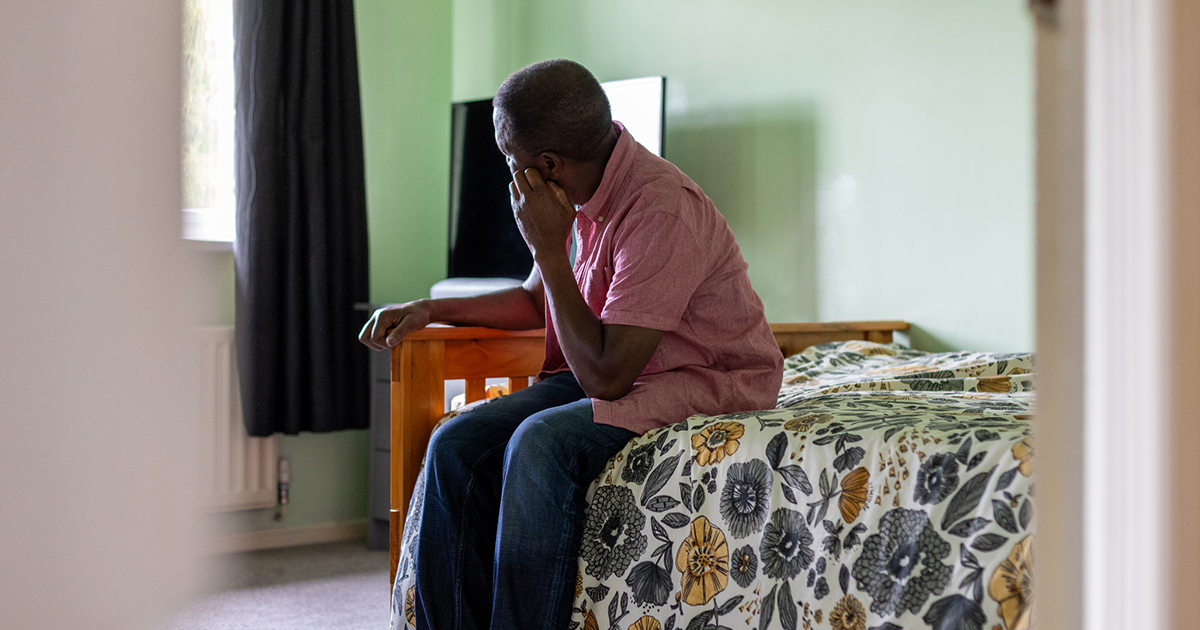
Sammy’s ex-partner stopped paying the electricity account which was in his name, so she was disconnected for non-payment. She had previously tried to open an account in her own name with the retailer but encountered difficulties. She told EWON she feared the power would never get sorted out. She said that she suffered from anxiety, was in a “terrible state” and was finding it difficult to handle being without power.
Marik is an elderly man recovering from a serious illness whose neighbour let him connect an extension cord to their supply while his power was disconnected for non-payment. He told EWON that he was worried about “living off his neighbours”.
Gene spoke English as his second language and was confused and stressed after receiving disconnection warnings from his retailer event though he was keeping in contact with them to talk about making payments.
Saxon was staying with his sister Angela while they both dealt with the sudden death of their brother who was Saxon’s twin, making it especially difficult for him. He returned home after several weeks at his sister’s house to find the electricity disconnected. He was too distressed to handle the situation, and Angela assisted him while she was also grieving.
4. Disconnection entrenches financial difficulties and vulnerabilities
Costs of disconnection
Disconnection incurs disconnection and reconnection fees, which can be hundreds of dollars. In some circumstances, retailers agree to waive these fees – otherwise, the fees are added to the energy debt.
Layla lived in social housing and had been struggling since a major operation several years earlier. When her power was disconnected for non-payment, she told EWON she felt embarrassed discussing the disconnection and her financial difficulties. She ended up with a disconnection fee of over $350 added to her debt.
Cost of living pressures
Customers experiencing financial distress are likely to be managing multiple overdue accounts and repayments for a range of other essential services, and need to prioritise which bills can be paid each week.18 This can limit their ability to engage with their retailer within tight timeframes. To be reconnected customers are often required to make a large payment or commit to unaffordable payment plans. Disconnection can force people to allocate limited resources to energy costs, even when there are other expenses that are equally pressing – like rent/mortgage, food, school uniforms and childcare.
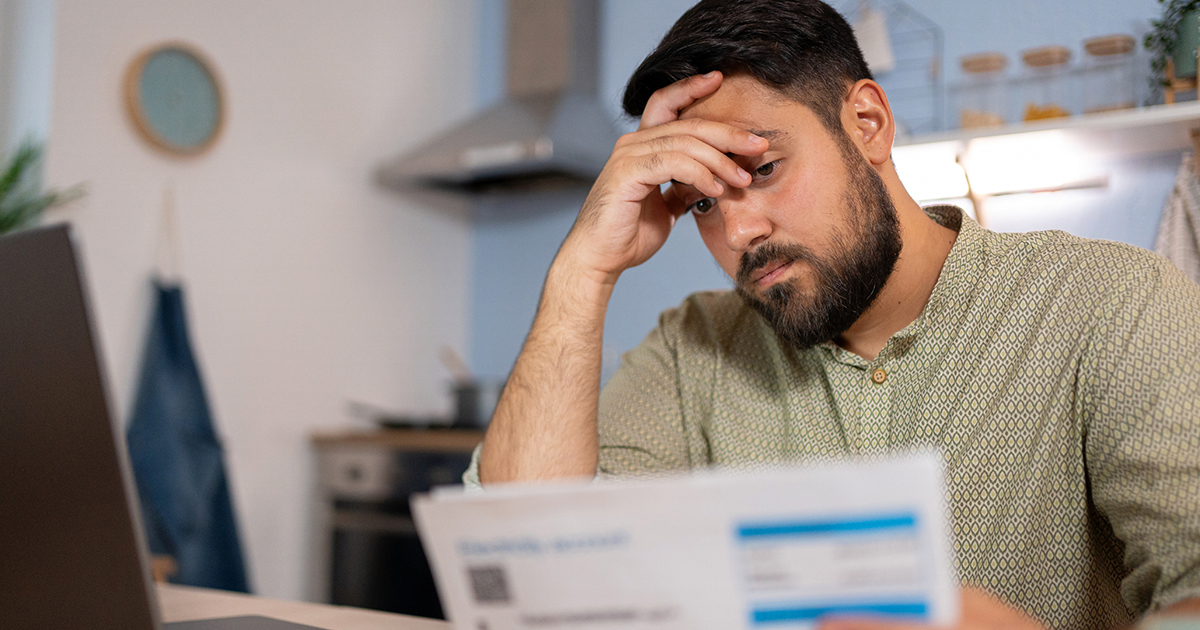
Charlie had spent two days at home without power before he contacted EWON, as he was unable to pay anything to the retailer. Charlie was a carer for his elderly mother (the account holder) and a child with a severe illness who relied on medical devices that required electricity. He was managing long term payment difficulties for more than just energy and was facing the prospect of bankruptcy. Charlie was stressed about his family’s health and losing the food in his fridge and freezer.
Deborah, whose story we saw above, was told by her retailer she could not be reconnected unless she paid $,2000 toward her $4,500 debt. She told EWON her Centrelink payments were largely being taken up by paying off loans. She was left with $285 a fortnight for food, travel and other costs to take care of her children and get them to school. She ended up borrowing money off a friend to make a payment of $2,000 to the retailer to be reconnected, putting her even more behind financially.
Switching and debts on closed accounts
A customer can consider opening a new account with a different retailer for reconnection. However, moving to a new retailer creates challenges for them to access appropriate protections and assistance for the old debt once the account is closed.19
Retailers may perform credit checks before accepting a customer, therefore customers with affordability issues may have no choice but to remain with their current retailer – which can become an urgent problem if the power is disconnected. After 10 business days disconnected, the customer’s account is closed.20 Because the NECF includes a right to supply21, that customer (or another customer) may request a new account with the retailer already billing the site and be reconnected.
Cassie had her electricity disconnected for non-payment and had no capacity to make an upfront payment for reconnection. She said she could start making regular small payments in about two weeks. Her retailer was not willing to negotiate a payment arrangement as she had two incomplete payment plans in the last 12 months. Cassie opened an account with a new retailer to be reconnected. This left her with a debt of several thousand dollars to manage on a closed account, which carry fewer affordability protections than active accounts. It also meant she would be managing two energy debts at once.
Danny rented a room in a share house and the electricity account was in his housemate's name. When the power was disconnected for non-payment in mid-winter, he experienced uncomfortably cold temperatures. The property was also very dark due to being semi-rural. He told EWON he was worried about his safety and wellbeing due to the cold and dark. He tried opening an account in his own name to be reconnected, but the retailer he contacted advised he did not meet their credit check requirements. After contacting EWON for advice, he was eventually able to open an account with the retailer who already billed the site.

.png)
 1. Remove the ‘two strikes’ rule from NECF
 2. Prohibit upfront payments to avoid disconnection or achieve reconnection for customers experiencing payment difficulties
 3. Implement debt relief for consumers who cannot afford their energy costs
 4. Increase the minimum disconnection amount from $500 to $1,000
 5. Compensation framework for wrongful disconnections
 8. Retailers improve engagement practices to reach customers experiencing vulnerability